

By Elie Y. Katz, President & CEO, National Retail Solutions (NRS)
The One List That Runs an Independent Store: How the NRS Pricebook Protects a Retailer’s Margin
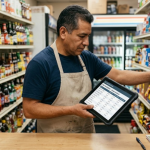
Walk into any bodega, convenience store, or liquor shop and ask the owner who runs the business. Most will point to the register, the coolers, or the people behind the counter. The real engine sits somewhere less obvious — in a single list most customers never see. It’s called the pricebook, and for the independent retailers who make up so much of this trade, it quietly decides whether the store makes money or loses it.
National Retail Solutions (NRS) builds the point-of-sale platform that thousands of these stores run on, and the pricebook sits at its center. Understanding what it does helps explain why a good POS matters to a small retailer — and why the right system becomes part of how the store operates every single day.
What a pricebook really is
A pricebook is the master list of everything a store sells. Each item carries a barcode, a name, a department, a cost, and a retail price. When a cashier scans a product, the NRS POS looks up the item, pulls the price, applies the right tax, and records the sale.
Think of it as the brain behind the register. The hardware just reads barcodes. The pricebook determines what each barcode means — what the item costs the owner, what the store charges, and which category it falls under for reporting. A complete, accurate pricebook turns a cash drawer into a system that shows the owner how the business is performing.
Why keeping it current matters
A pricebook is never finished. Vendor costs change. New products arrive. Old SKUs disappear. Tax rules shift. Every time reality moves and the pricebook doesn’t, the gap costs the retailer money.
Picture a distributor raising the cost of a popular drink by forty cents. If the retail price stays where it was, the owner hands away margin on every can sold until someone catches it — and at high volume, that adds up fast. Run it the other way, and an outdated, too-high price quietly pushes regulars toward the store down the block.
Stale data also breaks the parts of a store that an owner relies on most. Items that scan as “not found” force manual entry, which slows the line and invites mistakes. Sales reports built on the wrong departments lead to the wrong reorders. Loyalty offers and promotions misfire when the underlying items aren’t set up correctly. A current pricebook keeps it all honest.
Adjusting prices without the headache
The strength of the NRS system is that an owner doesn’t have to be chained to the back office to keep prices right. The NRS Merchant Portal allows updates to prices, costs, and departments from any computer, and the My NRS Store app puts the same control in the owner’s pocket. Scan an item with a phone’s camera and change its price or details on the spot — from the sales floor, from home, or wherever the day takes them.
That turns price reviews into a habit instead of a fire drill. When a vendor invoice reflects a cost increase, the owner can update the retail price on the same day to protect the margin. When shelf labels are printed from the app, the tag and the screen match, which keeps customers confident and the store compliant.
Standardizing how it’s built
The fastest way to ruin a pricebook is messy, one-off data entry — the same product typed three different ways, missing costs, items dropped into the wrong department. Once the data is sloppy, every report built on it is sloppy too.
A pricebook deserves to be treated like the asset it is. A consistent format every time — clean product names, correct barcodes, accurate cost, the right department on every line — keeps the data clean enough to trust and makes bulk updates far easier to manage. Clean input is what makes everything downstream work the way it should: reordering, tax accuracy, even AI-driven product insights.
Good data is what the store runs on
The pricebook isn’t paperwork. It’s the difference between guessing and knowing, between leaking margin and protecting it. For the independent retailers who anchor this market, a POS that keeps that one list clean and current does the heavy lifting across the entire operation — which is exactly why the NRS platform has become part of how so many of these stores run.
For anyone whose business already puts them in front of these retailers, it’s worth knowing what sits behind that counter. To learn more about NRS, call (877) 202-8112 or visit nrsplus.com.
Introduction to In-Store Signage and Branding
Retail success significantly hinges on how effectively a store captures and retains customer attention. Amidst a sea of competition, the distinct edge often lies in the visual appeal and branding conveyed through in-store signage. This retail aspect is not just about guiding customers or displaying product prices; it’s a nuanced art that shapes the shopping experience and, by extension, the customer’s perception of the brand.
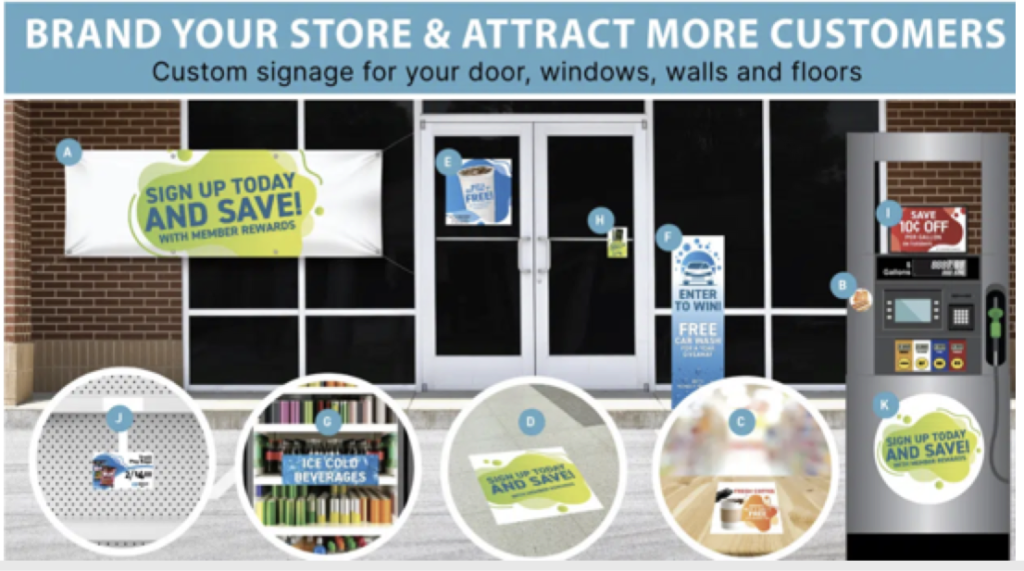
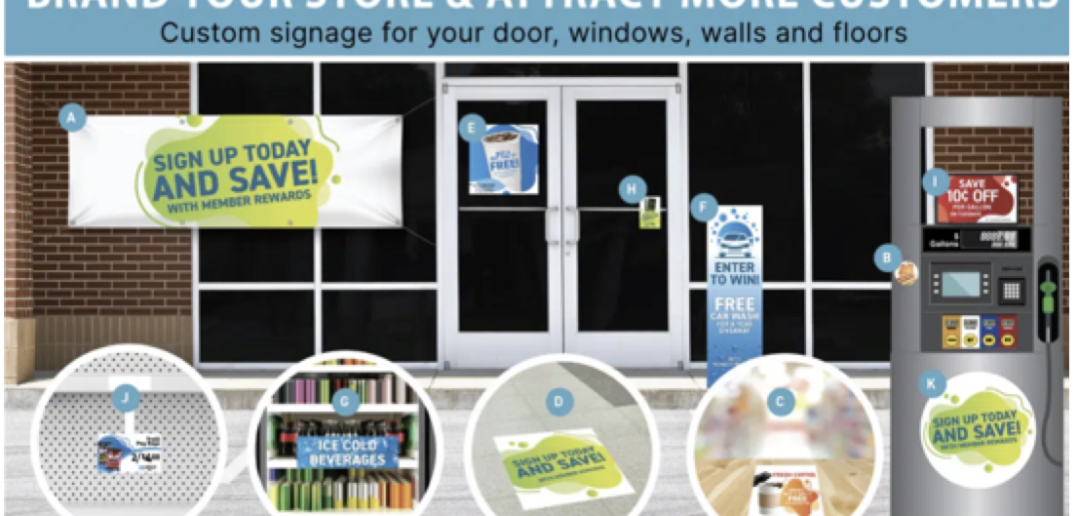
Well-designed signage serves multiple roles. It is a silent yet powerful communicator of the store’s identity and values. Whether it’s the color scheme, the font style, or the message, every signage element contributes to a narrative about the brand. It’s more than just a tool for direction or information; it’s a key player in the storytelling of a retail space.
Moreover, effective signage has the power to influence customer behavior subtly. It can direct traffic within the store, highlight promotions or new arrivals, and even affect purchasing decisions. By strategically placing and designing signs, retailers can create a flow that feels intuitive and inviting to shoppers. This thoughtful arrangement ensures that customers find what they’re looking for and discover new products they didn’t know they needed.
The importance of signage in retail extends beyond the physical layout. It reflects a store’s commitment to providing a coherent and engaging shopping experience. In essence, every sign, every label, and every display acts as a touchpoint that connects the customer to the brand, turning a routine shopping trip into an immersive brand experience.
The Role of Signage in Enhancing Customer Experience
The influence of in-store signage on the customer experience is profound and multifaceted. At its core, signage functions as a guide, leading customers through a store in an intuitive and strategic manner. This guidance is crucial for navigating the physical space and shaping the customer’s journey through various product offerings.
Effective signage does more than direct; it communicates. Offering clear, concise information alleviates the potential stress of shopping in an unfamiliar environment. This clarity in communication helps build customer confidence and satisfaction, as they can easily find what they need. Moreover, signage that harmonizes with the store’s aesthetic creates an environment that is pleasing and inviting, encouraging customers to linger and explore.
The psychological impact of well-designed signage is significant. It can create a sense of excitement and curiosity, especially when it highlights special offers or new products. This not only boosts sales of specific items but also enhances the overall perception of the store as dynamic and attentive to customer needs. By updating signage regularly, retailers can keep the shopping experience fresh and engaging, giving customers a reason to return.
Furthermore, signage plays a crucial role in branding. Consistent use of colors, fonts, and messaging reinforces brand identity. This consistency ensures that the brand remains memorable and recognizable to customers, even outside the store environment. Every sign is an opportunity to reinforce the brand and deepen the customer’s connection.
In-store signage is a functional retail element and a crucial customer experience component. It bridges the gap between the store’s physical space and the customer’s emotional response, creating a harmonious and memorable shopping experience.
Digital Signage: A Modern Approach to Retail Branding
The transition from traditional signage to digital platforms marks a significant shift in how retailers interact with customers, offering a more vibrant, interactive, and flexible way to communicate.
Digital signage brings a new dimension to retail spaces. Its dynamic nature allows for real-time updates, allowing retailers to respond quickly to trends, promote time-sensitive offers, or even tailor messages for specific times of day. This level of responsiveness is not just convenient; it demonstrates a retailer’s commitment to staying relevant and in tune with customer needs.
The visual impact of digital signage is unmatched. With the ability to display high-resolution images, animations, and even videos, it captures attention in ways that static signage cannot. This visual appeal is key to creating an engaging atmosphere that entices customers. Whether showcasing product features, sharing brand stories, or highlighting customer reviews, digital signage provides a platform for creative and compelling content that resonates with shoppers.
In conclusion, National Retail Solutions (NRS) is excited to announce the partnership with Source One Digital, one of the country’s leading grand format digital printing companies. Retailers using our NRS POS system now have the unique opportunity to access first-class in-store signage printing, elevating their store’s visual appeal and customer experience.
This partnership is a testament to our commitment at NRS to provide our clients with the best resources and technology continuously. It’s a step forward in ensuring that our retailers can stand shoulder-to-shoulder with the big players in the market, enhancing their brand presence and attracting more customers with high-quality, engaging signage.
For more information about enhancing your store’s branding and signage, call (973) 382 – 7838 ext.4057, or visit nrsplus.com/signage